




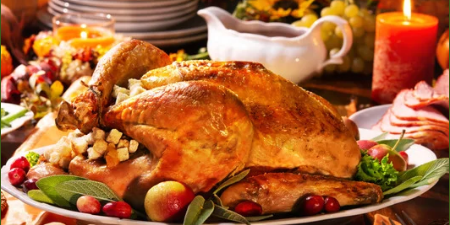
Diabetes and Thanksgiving: Tips for a Healthy Holiday Season
How to enjoy Thanksgiving dinner, manage blood sugar, and stay healthy this holiday season.
By FACHC | Updated November 2026
Thanksgiving is a time for gratitude and for bringing family, friends, and favorite foods together. For people living with diabetes, however, navigating a table full of stuffing, mashed potatoes, sweet desserts, and holiday drinks can feel overwhelming.
The good news is that you don’t have to skip Thanksgiving traditions to keep your blood sugar on track. With thoughtful planning, balanced portions, and a focus on what matters most, you can enjoy a delicious holiday meal while supporting your overall health. According to the Centers for Disease Control and Prevention (CDC) and the American Diabetes Association (ADA), strategies such as portion control, meal planning, physical activity, and regular blood glucose monitoring can help people with diabetes navigate holiday gatherings successfully.¹³
Why Thanksgiving Can Be Challenging for People with Diabetes
Traditional Thanksgiving meals often feature foods high in carbohydrates, sugar, and fat. Stuffing, rolls, sweet potato casserole, cranberry sauce, pies, and other seasonal favorites can raise blood sugar when eaten in large quantities.¹
Holiday celebrations may also disrupt normal routines. Late meals, travel, stress, lack of sleep, and decreased physical activity can all affect blood glucose management. The CDC recommends maintaining regular meal schedules and diabetes care routines during holiday gatherings whenever possible.
Build a Diabetes-Friendly Thanksgiving Plate
Fill Half Your Plate with Non-Starchy Vegetables
Focus on nutrient-rich vegetables that are naturally lower in carbohydrates, such as:
- Green beans
- Brussels sprouts
- Broccoli
- Carrots
- Leafy greens
- Mixed salads
These vegetables provide fiber, vitamins, and minerals while helping you feel satisfied.¹³
Reserve One-Quarter for Lean Protein
Lean protein can help you feel full and moderate blood sugar spikes. Good Thanksgiving choices include:
- Roasted turkey
- Skinless chicken
- Fish
- Beans or legumes
Choosing turkey without the skin can help reduce saturated fat intake while still providing plenty of protein.¹³
Use the Remaining Quarter for Carbohydrates
Carbohydrates can still be part of a healthy Thanksgiving meal. Consider moderate portions of:
- Stuffing
- Sweet potatoes
- Mashed potatoes
- Whole-grain rolls
- Winter squash
Balancing these foods with vegetables and protein can help support more stable blood sugar levels.¹³⁴⁵
Smart Thanksgiving Eating Tips for Diabetes
Don’t Skip Meals Before the Big Feast
Many people try to “save room” for Thanksgiving dinner by skipping breakfast or lunch. However, both the CDC and ADA caution that skipping meals can increase the likelihood of overeating and make blood sugar management more difficult.¹³
Instead, eat balanced meals throughout the day and consider a healthy snack if the holiday meal is served later than usual.¹⁵
Practice Portion Control
Thanksgiving only comes once a year, but that doesn’t mean every favorite food must fit on one plate.
Try these simple strategies:
- Use a smaller plate.
- Start with vegetables.
- Take modest portions of high-carbohydrate dishes.
- Wait before returning for seconds.
- Eat slowly and enjoy the flavors.
The CDC notes that it can take approximately 20 minutes for your brain to recognize that you’re full.¹
Choose Your Indulgences Wisely
Instead of sampling every dish on the table, identify the foods most meaningful to your holiday traditions.
Maybe it’s Grandma’s pumpkin pie or a special family stuffing recipe. Enjoy a modest portion of your favorite holiday treat and balance it by limiting other carbohydrate-heavy foods during the meal. The CDC emphasizes that no food needs to be completely off-limits when you incorporate it thoughtfully into your meal plan. ¹⁴
Watch the Holiday Drinks
Beverages can be a hidden source of added sugars and calories during the holidays. Sweet tea, soda, punch, specialty coffees, and sugary cocktails can lead to blood sugar spikes. ¹³⁴⁵
Better choices include:
- Water
- Sparkling water
- Unsweetened tea
- Sugar-free flavored beverages
If you choose to consume alcohol, do so in moderation and with food. Alcohol may affect blood glucose levels and can interact with certain diabetes medications. ¹³⁴⁵
Stay Active After Thanksgiving Dinner
Physical activity remains one of the most effective ways to support healthy blood sugar levels during the holiday season.
The CDC recommends incorporating movement into holiday traditions. Even a short walk after a meal can help with blood sugar management and digestion.¹³⁴⁵
Consider:
- Taking a family walk after dinner
- Playing football in the backyard
- Participating in a local turkey trot
- Organizing active games for children and grandchildren
Even 10 minutes of activity can make a positive difference. ¹
Don’t Forget Your Diabetes Management Routine
Take medications as directed, monitor blood glucose levels, and keep supplies accessible while traveling. Maintaining regular diabetes care routines during the holidays can help prevent unexpected highs and lows.¹³
Remember to:
- Check blood glucose levels as recommended by your healthcare provider.
- Take medications as prescribed.
- Bring testing supplies when traveling.
- Keep healthy snacks available.
- Maintain meal timing as closely as possible.
Enjoy the Holiday Beyond the Food
Living with diabetes doesn’t mean giving up your favorite Thanksgiving foods. With portion control, a balanced plate, staying active, and monitoring your blood sugar, you can enjoy the holiday season with confidence. So, this Thanksgiving, focus on balance instead of perfection. Healthy choices, meaningful traditions, and time with loved ones can help make the holiday both memorable and diabetes friendly. Thanksgiving is ultimately about gratitude, connection, and meaningful traditions. Focusing on family and friends rather than the buffet table can support healthier holiday choices.²
Disclaimer: This article is intended for educational purposes only and should not replace medical advice from a healthcare provider.
References
- Centers for Disease Control and Prevention. Healthy Eating and the Holidays. https://www.cdc.gov/diabetes/healthy-eating/5-healthy-eating-tips-holidays.html
- Centers for Disease Control and Prevention. Buffet Table Tips for People with Diabetes. https://www.cdc.gov/diabetes/healthy-eating/choosing-healthy-foods-holidays.html
- American Diabetes Association. 7 Tips to Stay on Track with Your Diabetes Management During the Holidays. https://diabetes.org/health-wellness/weight-management/stay-pn-track-during-holidays
- ADA Diabetes Food Hub. 6 Tips for a Happy, Healthy Holiday with Diabetes. https://diabetesfoodhub.org/blog/6-tips-happy-healthy-holiday-diabetes
- ADA Diabetes Food Hub. Diabetes-Friendly Thanksgiving Recipe Roundup. https://diabetesfoodhub.org/blog/diabetes-friendly-thanksgiving-recipe-roundup